

About RadCare Services
RadCare Services (RCS) partners with health systems to manage lead aprons as clinical personal protective equipment (PPE) assets, providing deep cleaning and disinfection, radiographic integrity scanning, digital asset tracking, and repair and retirement workflows that give infection prevention, radiation safety, and compliance teams a single, auditable program.
Lead aprons sit at the intersection of multiple departments with inconsistent cleaning and inspection protocols. RCS exists to close that gap by delivering a standardized operational model that treats every apron as part of a managed lifecycle:

RCS serves clients by offering:
- A distinct, two-step deep cleaning and disinfection process to eradicate and remove bioburden, disrupting biofilm-prone residue while remaining compatible with manufacturer warranties and facility infection prevention needs
- Radiographic integrity apron scanning to detect shielding defects that are not reliably identified through visual or tactile checks alone, supporting occupational radiation safety and equipment performance assurance.
- Digital asset tracking and inventory management (e.g., barcode), enabling a “birth-to-retirement” record for each garment, including acquisition data, cleaning intervals, scan outcomes, repairs, failure flags, and retirement dates.
- Repair and retirement lifecycle services, including defined workflows for pulling failed aprons from service, routing them for repair where appropriate, and retiring assets that no longer meet safety and integrity criteria.
Our goal:
RCS’s goal is to reduce hospital acquired infections and improve radiation safety by making apron hygiene and integrity programs
repeatable, auditable, and operationally realistic in highthroughput environments. In doing so, RCS supports safer care teams, better survey readiness, and clearer governance over a high-use PPE category that has historically been under-managed.

Executive Brief
Hospital-acquired infections (HAIs) and surgical site infections (SSIs) remain persistent challenges for health systems, despite meaningful advances in hand hygiene, surface disinfection, and device-related infection control. Shared, mobile items that move across patients, clinicians, and care environments present acute HAI and SSI risks, especially items that are worn during care delivery. Lead aprons, used routinely in radiology, interventional cardiology, surgery, pain management, and other procedure-based settings, represent one such overlooked vector. These garments sit in close proximity to patients and sterile fields, are frequently shared among staff multiple times a day, and are cleaned inconsistently. Multiple studies have demonstrated that lead aprons can harbor significant bacterial contamination, with contamination rates ranging from 51.6% to 87.8% .
While lead aprons should be considered personal protective equipment since they protect clinicians from ionizing radiation, they also act as fomites capable of carrying and spreading pathogens. That creates a dual responsibility: protecting against radiation while also reducing infection risk.
This white paper presents two core recommendations to fulfill that responsibility:
One.
X-ray garments should be subject to deep cleaning and disinfection at defined intervals.
Two.
X-ray garments in active clinical use should be classified and managed as PPE undergoing radiographic scanning at least once annually, with initial scanning upon receipt.
Both responsibilities are being undermined by inconsistent, ad hoc cleaning practices that often do not follow manufacturer instructions or infection prevention standards, and by the absence of routine radiographic inspection programs that can detect degradation invisible to the eye.
The most defensible posture is a standardized program that includes documented deep cleaning and disinfection, routine radiographic integrity scanning, and an auditable lifecyclerecord for every garment in clinical use.
Executive Brief
I. The Persistent Problem of Hospital-Acquired Infections and Surgical Site Infections
Every day in the United States, approximately one in 31 hospitalized patients is living with at least one hospital-acquired infection (HAI). That statistic has remained stubbornly resistant
to improvement even as health systems have invested heavily in hand hygiene campaigns, antimicrobial stewardship, and device-related bundle compliance. HAIs continue to drive preventable morbidity, mortality, and excess cost across virtually every acute-care setting.
The Financial Stakes
HAIs are a clinical problem and a major economic burden. A 2009 U.S. Centers for Disease Control and Prevention (CDC)- commissioned analysis estimated HAIs add between $28.4 billion and $45 billion annually in excess direct medical costs in the United States, depending on the inflation adjustment methodology applied. While these figures are expressed in 2007 dollars and have been widely cited as foundational estimates, subsequent analyses have confirmed the magnitude of the burden.
HAIs add between
$28.4 &
$45 Billion
annually in excess
direct medical costs
Among HAI subtypes, surgical site infections (SSIs) represent the single largest economic burden on U.S. hospitals. A landmark meta-analysis published in JAMA Internal Medicine by Zimlichman et al. (2013) found that SSIs cost an average of $20,785 per case and account for 33.7% of total HAI spending, or roughly $3.3 billion of the $9.8 billion annual cost across the five major infection categories. A 2023 review by Seidelman, Mantyh, and Anderson confirmed that SSI patients are hospitalized seven to 11 days longer than uninfected surgical patients, with infection rates ranging from 0.5% to 3% depending on procedure type. The CDC’s 2014 multistate prevalence survey established that SSIs account for 21.8% of all healthcare-associated infections, and during 2018–2021, SSIs contributed the highest proportion of pathogens reported to National Healthcare Safety etwork (NHSN) (48%) 6.
Clinically, SSIs are the leading cause of surgical readmission and carry a two- to 11-fold
increased risk of mortality relative to uninfected patients.
The regulatory consequences are equally severe: under the Centers for Medicare and Medicaid Services’ (CMS) Hospital-Acquired Condition Reduction Program (HACRP), hospitals in the worst-performing quartile for HAI metrics, which explicitly include colon and abdominal hysterectomy SSIs, face a 1% reduction in all Medicare fee-for-service payments. Roughly 25% of eligible hospitals are penalized each year.7
These figures underscore a critical point for facility administrators: HAI, and more specifically, SSI prevention are a clinical imperative and a financial and legal one. The infection risk posed by inadequately decontaminated equipment, including items like lead aprons that contact both patients and operating environments, remains an underaddressed gap in most prevention protocols.
- HAIs: Reports and Data
- The Direct medical costs of healthcare-associated infections in U.S. hospitals and the benefits of prevention
- Zimlichman et al. (2013)
- Surgical Site Infection Prevention: A Review
- HAI Pathogens and Antimicrobial Resistance Report, 2018-2021
- Hospital-Acquired Condition Reduction Program
The Human Stakes
HAIs affect an
estimated 1.7 million
patients and
contribute to
approximately
100,000 deaths
As noted above, on any given day roughly one in 31 U.S. hospital patients and 1 in 43 nursing home residents contract at least one HAI; this problem represents a persistent patient safety crisis. Indeed, the U.S. Centers for Disease Control and Prevention (CDC) has directly cited it as underscoring “the need for improvements in patient care practices in U.S. healthcare facilities”. HAIs affect an estimated 1.7 million patients annually and contribute to approximately 100,000 deaths, placing them among the most consequential, and largely preventable, harms in U.S. medicine.9
This human toll is compounded by the breadth of vectors through which infections travel in a clinical setting; shared and seldom-cleaned equipment, such as lead aprons and thyroid shields used in operating rooms and interventional suites, harbor bacterial or fungal contamination and are a documented transmission risk.
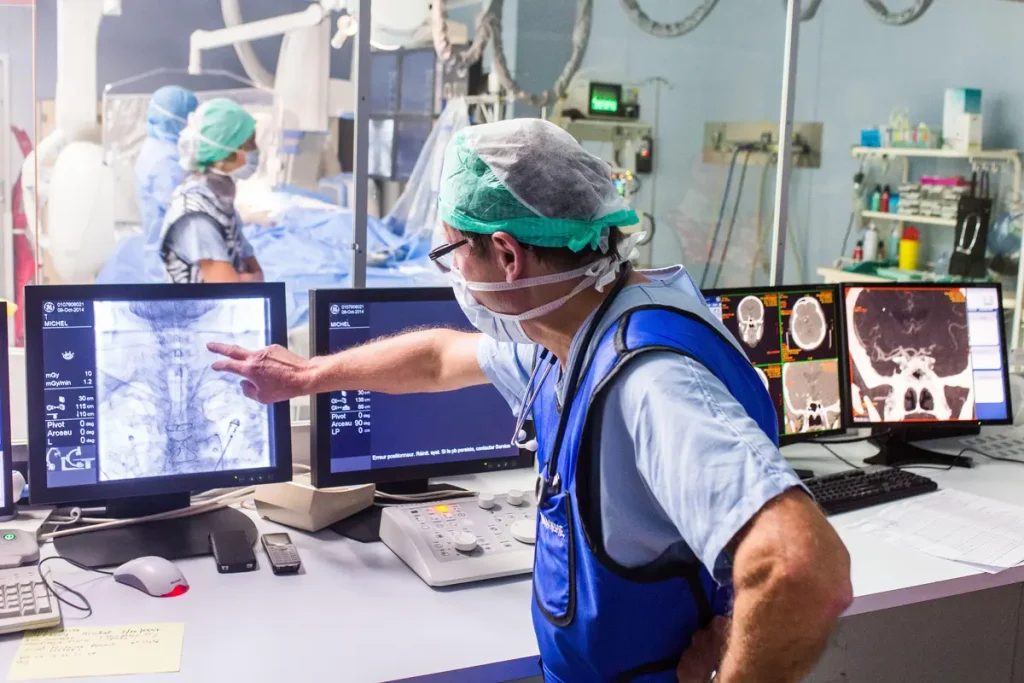
With high patient turnover, increasing acuity, staffing constraints, and extensive use of shared equipment, hospitals and surgical centers are unique and complex environments. Infection prevention programs must therefore extend beyond core bundles and well-known vectors to identify fomites, or the inanimate objects that are capable of transmitting infectious organisms and that historically have received less scrutiny. Among the most overlooked of these fomites are items that clinicians wear: garments that move with providers across patients, rooms, and procedures throughout the day
II. The Evolving Role of
Infection Prevention
Infection prevention has evolved from a reactive discipline focused on outbreak investigation after the fact, into a proactive operational function embedded in daily clinical workflows and quality improvement. Infection preventionists now routinely influence surveillance and data analytics, policy and procedure development, staff education and competency, product evaluation and capital planning, and regulatory readiness and survey preparation.10
Environmental hygiene has become a central pillar of these efforts. CDC and Healthcare Infection Control Practices Advisory Committee (HICPAC) guidance emphasizes not only terminal room cleaning, but also systematic approaches to noncritical devices and shared equipment that can serve as reservoirs for pathogens. Most observational audits and checklists, however, still gravitate toward obvious “high-touch” surfaces: bed rails, call buttons, bedside tables, and IV poles.
A growing body of evidence indicates that mobile medical equipment and reusable protective equipment used across multiple rooms and patients can harbor equal or greater contamination than many fixed environmental surfaces. Lead aprons, which are rarely assigned to a single user and commonly move between suites and providers, fit squarely into this high-risk category yet remain largely absent from infection prevention audits, environmental rounding checklists, and compliance dashboards. That absence is not a reflection of a low relative risk; it is a deep, and costly, oversight.
III. Transmission Vectors
Beyond the Obvious
Traditional infection control strategies concentrate on four primary risk domains: hands, invasive devices, surgical sites, and air/water systems. These domains are critical, and rightly prioritized. Yet numerous studies have documented the role of contaminated fomites in the transmission of organisms such as Clostridioides difficile, MRSA, VRE, and gram-negative bacilli. Pathogens can persist on dry surfaces for days to months, providing ample opportunity for indirect transmission in high-throughput procedural environments. Lead aprons present a unique risk profile shaped by three interrelated characteristics.
Shared Usage
Lead aprons are typically communal assets stored on racks in radiology, interventional, and operative areas. While many clinicians “own” personal lead aprons used only by them, those aprons still are stored in communal areas and the responsibility for who cleans those aprons may be unclear, resulting in inconsistent cleaning procedures. More commonly, lead aprons are used by multiple individuals. Diffuse ownership is a well-documented risk factor for inconsistent cleaning of shared devices. When everyone owns a problem, everyone assumes someone else is taking care of it.16
Close Proximity to the Patient
Aprons are worn during procedures that often involve sterile fields and invasive devices. They contact the clinician’s scrubs, may brush against the procedure table, and remain in the immediate patient zone for extended periods. Research shows 65.9% of X-ray aprons and thyroid shields contact a patient or patient item one to 10 times per shift.17
This proximity increases the chance of acquiring and redistributing pathogenic organisms between cases, effectively turning the garment into a mobile bridge between patients and environments.18
Complex Topography and Materials
Lead aprons incorporate seams, stitching, Velcro closures, buckles, and textured fabrics. These microenvironments easily accumulate organic material (sweat, skin cells, fluids) and are prone to biofilm formation, which can shield organisms from routine disinfection.19 The inner surface of garments, in particular, is frequently contaminated with skin flora and is often neglected during quick wipe-downs.20 The result is a garment whose design, by its nature, resists the very cleaning processes that would make it safe to share.
Taken together, these factors position lead aprons as quintessential mobile vectors highuse, high-contact, shared items that traditionally receive low scrutiny from infection prevention teams.
- How long do nosocomial pathogens persist on inanimate surfaces? A systematic review
- Role of the Environmental Surfaces in Disease Transmission: “No Touch” Technologies Reduce HAIs
- Evidence that contaminated surfaces contribute to the transmission of hospital pathogens and an overview of strategies to address contaminated surfaces in hospital settings
- Strategies to Mitigate Cross Contamination of Non-critical Medical Devices
- Health Care Workers’ Use and Cleaning of X-Ray Aprons and Thyroid Shields
- Evaluation of bacterial presence on lead X-ray aprons utilised in the operating room via IBIS and standard culture methods
- Spring Cleaning for Safety: How to Properly Clean Lead Aprons
- Microbial Contamination and Cleaning Efficacy of Lead Aprons Used by Orthopaedic Surgeons in the Operating Room
IV. Scientific Evidence of Pathogen Burden on Lead Aprons
The question of whether lead aprons harbor clinically relevant organisms is no longer speculative.
A growing body of peer-reviewed research has characterized the microbial burden on lead aprons and other radiation protection garments across multiple care settings. Contamination is common, it includes organisms of clinical concern, and it persists on both external and internal surfaces.
Gilat et al. (2020) studied 20 body aprons and 21 neck-thyroid shields in an operating room setting and found that 87.8% of protective lead garments were contaminated. Neckthyroid shields were generally more contaminated than body aprons and exhibited
significantly higher loads of Staphylococcus epidermidis (P = 0.048). The authors identified organisms relevant to surgical site infections and prosthetic joint infections, including coagulase-negative staphylococci and other skin-associated pathogens.21
Balter et al. (2021) tested 61 personal and shared-use lead aprons and thyroid collars at Columbia University Irving Medical Center and found that 50% tested positive for either bacterial or fungal contamination, mostly around the neckline.22
Jain et al. (2019) used both traditional culture methods and polymerase chain reaction (PCR)- mass spectrometric (IBIS) technology to evaluate 20 randomly selected lead aprons in an operating room.23 Bacteria were detected via IBIS on 80% of aprons (32/40 samples), most commonly Staphylococcus epidermidis and Propionibacterium acnes. Virulent organisms cultured included methicillin-resistant Staphylococcus epidermidis (MRSE), Neisseria, Streptococcus viridans, and Pseudomonas. MRSE was detected on five of 20 aprons.24
Ang et al. (2018) studied 10 routinely used lead aprons in a high-volume cardiac catheterization laboratory. Baseline cultures grew at least one colony from 62.5% of samples (25 of 40), with 310 total colonies across 16 identified organisms, mainly skin and mouth flora.
Boyle and Strudwick (2010) swabbed 15 lead aprons in a diagnostic imaging department in England and found that all 15 were contaminated with microorganisms precleaning.
Organisms included coagulase-negative staphylococci, Staphylococcus aureus, Bacillus, diphtheroids, and fungal spores.26
Each of the authors encouraged “cleaning,” but cleaning alone does not fully mitigate microbial contamination risks for several reasons. One reason could be the misunderstanding of the term clean or cleaning. According to the CDC, the term cleaning has a specific meaning yet cleaning, sanitizing, and disinfecting are often used interchangeably erroneously.27
The implications of understanding the difference is particularly important when considering how to reduce bacterial counts and pathogens on hospital equipment. More simply, cleaning means physically removing most germs, dirt, and impurities from objects and surfaces. Sanitizing is defined as reducing germs further, and disinfecting means killing the remaining pathogens.

Cleaning
Regular cleaning uses soap and water to physically scrub away dirt, impurities, and most germs from surfaces.

Sanitizing
Sanitizing uses weak bleach solutions or sprays to reduce germs to safe levels on precleaned surfaces.

Disinfecting
Disinfecting kills remaining germs and reduces disease spread, and should follow initial cleaning
A study by Alomran et al. (2025) further illustrates that to mitigate risk, “enhanced cleaning” was needed. This study evaluated 20 lead aprons in orthopedic operating rooms at a tertiary hospital in Saudi Arabia.28 Out of 120 swabs, 62 tested positive for microorganisms, an overall contamination rate of 51.6%. Organisms identified included micrococcus, coagulase-negative staphylococci, methicillinsensitive Staphylococcus aureus (MSSA), Pseudomonas stutzeri, yeast, Haemophilus spp., Corynebacterium diphtheriae, and Klebsiella. Notably, the interior of the aprons continued to have the highest microbial pathogens, including yeasts. While cleaning reduced contamination, the authors concluded that “enhanced” cleaning (while undefined by the authors) was needed to improve bacterial contamination to mitigate contamination risk.
In a conference abstract, Jaber et al. (2014) at Wayne State University reported that 84% of 25 lead aprons in an interventional radiology department were contaminated with Staphylococcus aureus and Tinea species, with 12% (three of 25) positive for MRSA. None of the aprons had been cleaned, and none had been replaced in 10 years, underscoring the potential severity of contamination in unmanaged programs.29
While no single contaminated apron guarantees patient infection, the cumulative use in these high-throughput procedural areas is increasingly understood as a significant component of HAI risk. These studies clearly show that representative organisms and their potential clinical impacts span the most consequential categories of healthcare-associated pathogens: Staphylococcus aureus (skin and soft-tissue infections, pneumonia, bacteremia), Enterococcus species (urinary tract infections, wound infections, bacteremia), Klebsiella pneumoniae and other Enterobacterales (surgical site infections, pneumonia, device-associated infections), and coagulase-negative staphylococci (prosthetic device infections, bloodstream infections in high-risk hosts). Each of these studies also advocate for regular “cleaning” and some “enhanced cleaning.”
The evidence clearly supports treating lead aprons as a documented and addressable gap within infection
prevention .
- Bacterial contamination of protective lead garments in an operating room setting
- Balter et al. (2021)
V. Beyond “Cleaning” – Manufacturer IFUs Versus Real-World Practice
Lead apron manufacturers provide detailed Instructions for Use (IFUs) informed by both infection control principles and the need to preserve the structural integrity and radiation attenuation properties of the garment.30 Typical IFUs specify cleaning after each use or at defined regular intervals (and whenever visibly soiled), use of approved non-corrosive pH-neutral detergents or disinfectants, avoidance of high-alcohol, high-chlorine, or abrasive products that can damage the outer shell or lead-equivalent core, and careful drying and storage to prevent moisture retention, mold, and degradation of seams.31,32

The Joint Commission explicitly requires that organizations have access to and follow manufacturer instructions for use when cleaning and disinfecting medical equipment and devices, and surveyors frequently validate compliance with IFUbased protocols.33
In practice, a consistent and welldocumented gap separates IFUs from real-world behavior, and that gap follows predictable patterns
Regulators increasingly
expect hospitals to
adhere to IFUs.

Many organizations cannot produce evidence that lead aprons were cleaned at prescribed intervals or in accordance with IFUs.
Diffuse Accountability
Responsibility for apron cleaning often is distributed between multiple clinical and environmental service individuals; this practice often varies by facility, however. Without a clearly designated owner, cleaning occurs inconsistently or not at all. Again, when everyone is responsible, no one is accountable.
Noncompliant Products and Techniques
Time-pressed staff may use whatever wipes are at hand, including high-alcohol or oxidizing agents not recommended by the manufacturer.34 These products can accelerate cracking, delamination, or damage to the outside fabric of the apron over time.
Lack of Documentation
Manual cleaning is rarely logged. During regulatory surveys or infection investigations, many organizations cannot produce evidence that lead aprons were cleaned at prescribed intervals or in accordance with IFUs. The absence of records does not prove negligence, but it eliminates a hospital’s ability to demonstrate diligence, which is a critical distinction in both regulatory and legal contexts.
From both an infection prevention and a surveyreadiness standpoint, this IFU–practice gap introduces avoidable operational risk, which compounds when the garments themselves are simultaneously degrading in ways that make effective cleaning progressively harder.
- AORN 2025 Recommendations for Lead Apron Cleaning and Disinfection
- ZZMedical IFU
- Your Ultimate Guide to Sanitizing and Cleaning Lead Aprons
- What are The Joint Commissions expectations regarding access to manufacturer’s instructions for use (IFU) for
cleaning, disinfection, and/or sterilization of instruments, devices and products used in the delivery of patient care? - How to Clean Lead Aprons & Prevent Hospital Acquired Infections
- 10 common infection prevention and control deficiency findings in healthcare facilities
VI. Limitations of Staff-Based Wipe-Cleaning Models
The dominant model in most hospitals is ad hoc, staff-based wipe cleaning.36 This model of cleaning and disinfecting is incomplete and does not follow IFUs or guideline recommendations set out by the Association of periOperative Registered Nurses (AORN). While some may erroneously conclude that “disinfectant wipes” are sufficient, there are several reasons why wipe-cleans alone are insufficient for cleaning and disinfecting lead aprons.
1. Insufficie nt Contact (Dwell) Time
Most disinfectants require a wet contact time of one to three minutes to achieve labeled log reductions. Observational studies of manual cleaning frequently show that surfaces dry well before the required dwell time, particularly when staff quickly wipe and immediately reuse or store items to keep pace with procedural throughput.38,39 A wipe that dries in 30 seconds delivers a fraction of its intended kill.40
2. Technique Variability and Coverage Gaps
Studies on manual cleaning of reusable medical devices and environmental surfaces have demonstrated significant variability in efficacy, with frequent misses in crevices, joints, and irregular surfaces.41,42 For lead aprons, folds, seams, Velcro closures, and inner linings are especially prone to incomplete coverage, allowing bioburden to accumulate aggressively.
3. Human Factors and Compliance Fatigue
Frontline clinicians already navigate extensive checklists and competing priorities. Adding thorough cleaning of heavy, awkward garments between cases is logistically challenging and, in practice, unsustainable. Cleaning tends to focus on visible soil, leaving unseen bioburden in place and eroding consistency over time. Staff should not be blamed. There is a fundamental mismatch between the task’s demands and the operational environment in which it must be performed.
- Cleaning medical equipment that’s shared: Who’s responsible?
- Disinfection and Sterilization Guideline | Infection Control
- Surface Disinfection: Treatment Time (Wipes/Sprays) versus Contact Time (Liquids)
- The crucial role of wiping in decontamination of high-touch environmental surfaces: review of current status and directions for the future
- Disinfection and Sterilization in Health Care Facilities
- Self-monitoring by Environmental Services May Not Accurately Measure Thoroughness of Hospital Room Cleaning
- Factors associated with cleaning quality of reusable medical devices at a single center in China
Recommendation:
Mandated, Scheduled Deep Cleaning and Disinfection
The evidence presented in the preceding sections leads to a clear and actionable conclusion: lead aprons and other radiation-protective garments should be subject to a mandatory deep cleaning and disinfection schedule at defined intervals, consistent with the CDC’s framework for enhanced cleaning of equipment in clinical hospital settings.
This concept is not novel. The CDC already recommends that high-touch items in healthcare environments undergo scheduled cleaning beyond routine surface wipe-downs . AORN’s 2025 guidelines for perioperative practice recommend that radiation-protective garments be cleaned and disinfected before and after each use . Multiple manufacturers,— including Techno-Aide, Protech Medical, and Burlington Medical, go further in their own IFUs, calling for facilities to establish a documented, regular schedule of deep cleaning and disinfection to mitigate the risk of pathogen transmission.
A formalized deep-cleaning and disinfection mandate would accomplish three objectives simultaneously: reducing pathogen burden on garments that contact patients and sterile fields multiple times per day; disrupting biofilm formation that surface wipe-downs alone cannot address; and creating a documented, auditable compliance trail that aligns lead apron management with the infection prevention standards already applied to other reusable clinical equipment.
Until a mandate for deep cleaning and disinfection is established, cleaning of radiation-protective garments will remain what it largely is today: inconsistent, undocumented, and dependent on individual staff behavior rather than institutional protocol.
VII. The Case for Routine Apron Scanning and Integrity Assessment
While the focus of this white paper thus far has been on the deep cleaning and disinfection of lead aprons, another problem exists: lead aprons are commonly understood as radiation-shielding garments, but many organizations manage them operationally like reusable accessories, hung on racks, shared across teams, and replaced primarily when damage becomes visually obvious. That approach is increasingly misaligned with both occupational radiation safety and modern infection prevention expectations.
To treat lead aprons as PPE is to recognize that protection depends on two conditions being consistently true:

The garment’s shielding layer
remaining intact and functional
(radiation protection); and

The garment’s surfaces are
routinely and effectively cleaned
and disinfected in a way
compatible with materials
(infection prevention).
Without a structured inspection program, a lead apron program that relies primarily on visual checks and ad hoc cleaning can create a false sense of security, especially in high-volume procedural environments where garments are used dozens of times per week.
How Lead Aprons Degrade Over Time
Lead aprons and lead-equivalent garments experience mechanical and chemical
stress throughout their lifecycle. Common degradation mechanisms include:
Repeated flexing
and folding:
Daily use causes the shielding layer to bend, crease, and compress, creating micro-tears and stress fractures over time.
Improper
storage:
Folding, stacking, or draping aprons in ways not aligned with IFUs accelerates cracking and internal breakdown, particularly at high-stress points such as shoulders and waist seams.
Aging materials and thermal stress:
Polymer components and protective outer shells can stiffen, crack, or lose elasticity with age and exposure to heat and humidity.
The key operational reality is that internal shielding failure can occur without dramatic external signs, particularly early in the degradation process. Micro-tears, voids, or delamination in the shielding layer may not change how an apron looks or feels, yet can meaningfully change how it performs.
Why Visual Inspection Is Insufficient
Visual inspection remains useful for identifying obvious surface defects, including cracking, torn seams, failed closures, and gross soiling, for example. It is not, however, a reliable method for confirming attenuation integrity. External shells can remain intact while internal layers develop voids or fractures. The garment can “look fine” while providing less protection than assumed.
Evidence in the radiation safety literature and expert consensus indicate that aprons with visible damage
represent only a fraction of those with actual shielding compromise detected under imaging-based inspection.
That mismatch is the central argument for formal integrity assessment:
The risk is not
limited to the
aprons that
“look bad.”
Several studies reinforce this posture:
- Lambert K, McKeon T. “Inspection of Lead Aprons: Criteria for Rejection.” Health Physics. 2001;80(5 Suppl):S67–S69. This foundational study established the first quantitative rejection criteria for lead apron defects. Lambert and McKeon calculated whole-body dose increases for varying defect sizes, with particular attention to exposure over the testes and thyroid, and used As Low As Reasonably Achievable (ALARA) costbenefit standards to propose rational thresholds: replacement when defects exceed 15 mm² over critical organs, or 670 mm² along seams, overlapped areas, or the back of the apron. These thresholds have been widely adopted across hospital radiation safety programs and can only be assessed through imaging-based inspection.45
- Stam W, Pillay M.” Inspection of lead aprons: a practical rejection model”. Health Phys. 2008 Aug;95 Suppl 2:S133-6. Doi: Building on Lambert and McKeon’s work, Stam and Pillay (2008) developed a practical, dose-based model for routine defect evaluation applicable across aprons of various lead-equivalent thicknesses. The model uses the concept of “additional dose”—the incremental exposure an individual receives due to specific defects—as the basis for rejection decisions, and was implemented as an annual quality check at a large medical facility in The Hague, Netherlands. It remains one of the most widely cited references in institutional apron inspection policies, and its framework depends on imaging-based assessment to quantify shielding compromise.46
- McKenney SE, Otero HJ, Fricke ST. “Lead Apron Inspection Using Infrared Light: A Model Validation Study.” Journal of the American College of Radiology. 2018;15(2):313–318. This prospective study provides direct quantitative evidence of how poorly tactile inspection performs. Researchers constructed a lead apron phantom with nine defects ranging from two to 35 mm and had radiation workers inspect it using both tactile and infrared imaging methods. Of 31 participants using the tactile method, only two (6%) identified all nine defects, with a weighted average of 5.4 detected. Among 20 participants using infrared imaging, 10 (50%) identified all nine, with a weighted average of 7.5. The authors attributed tactile limitations to the large surface area, the interference of outer fabric, and inconsistent technique. While this study tested infrared rather than fluoroscopic imaging, it demonstrates the core problem: the majority of shielding defects go undetected without imaging-based assessment.47
- Işıkcı NI, Abuqbeitah M, Yeyin N, Akyol S, Demir M. “Inspection of Lead Aprons Damage and Evaluation of Transmission Rate with a ⁹⁹ᵐTc Point-Source.” Nuclear Engineering and Technology. 2025;57(10):103689. This study scanned 281 lead aprons from various departments of a large hospital using fluoroscopy and X-ray, identifying damage in 14.5% of those tested. Beyond visible tears and cracks, the researchers classified four additional categories of previously unrecognized damage, demonstrating that shielding compromise extends well beyond what surface inspection can detect. Transmission measurements quantified the consequences: undamaged aprons showed a baseline transmission rate of 50.88%, while large tears transmitted 91.30% of incident radiation. Even subtler defect categories showed elevated transmission rates in the range of 53- 58%. The authors concluded that periodic imaging-based scans are essential to identify invisible damage that meaningfully reduces shielding performance.48
When apron integrity is not systematically assessed, organizations risk radiation exposure to clinicians (occupational dose creep). A degraded apron that appears functional may allow ionizing radiation to pass through shielding gaps. Over time, this breakdown can contribute to cumulative occupational exposure, particularly for clinicians with frequent fluoroscopy time in interventional cardiology, interventional radiology, vascular surgery, orthopedics, and pain management.
The consequences of this gap are not hypothetical, nor are they purely medical. Litigation has already been brought against a hospital as in the case of Haughn et al. v. St. Vincent Evansville Hospital, where multiple vascular surgeons developed cancer after years of working in fluoroscopy environments with allegedly inadequate protective equipment and no dosimetry records.49 Even modest increases in exposure matter across years of practice, and risk management becomes more difficult when defects are discovered retrospectively without a clear inspection record.
What Apron Scanning Reveals and
Why It Is the Reliability Standard
Radiographic scanning can identify internal voids, tears, fractures, thinning, and shielding gaps that are invisible externally.50 Imagingbased inspection is therefore the most reliable method for confirming that an apron still provides its expected level of protection.
The expectation of annual integrity inspection is supported across multiple channels. The International Commission on Radiological Protection recommends that protective garments be inspected with X-rays for integrity defects upon receipt and annually thereafter for any signs of deterioration. Australia’s radiation safety agency, ARPANSA, has incorporated this recommendation into its national guidance for apron quality assurance.51,52
In the United States, The Joint Commission requires healthcare facilities to inspect lead aprons annually and document inspection findings.53
A well-designed scanning program defines standardized views and coverage (e.g., systematic scanning of high-stress regions such as shoulders, waist, and overlap panels), pass/fail criteria aligned to safety thresholds and clinical practice expectations, annual x-ray scan lead integrity checks, clear labeling and workflow for aprons that fail, including immediate removal from service, documentation, repair evaluation, or retirement.54
Frequency and Program Design
Industry guidance and institutional radiation safety protocols typically support at least annual integrity inspection for lead protective garments, with more frequent scanning for high-use aprons or aprons in particularly demanding environments.
The annual minimum is consistent across regulatory, professional, and manufacturer guidance. Where state boards do not specify a method, the Health Physics Society notes that “the typical annual inspection of lead aprons consists of x raying the apron” and that “inspection of a lead garment by x ray is the only way to know if there are small defects”. The Association of Surgical Technologists likewise recommends that leaded shielding devices be inspected and tested at least annually and upon initial receipt, with integrity verified prior to being placed into service. 55,56
Additional apron scanning should be considered after suspected dropping or crushing events, repeated exposure to non-IFU cleaning products, visible shell cracking or seam failure, and changes in feel (stiffness, unevenness) that may indicate internal changes.
A structured program integrates integrity scanning into routine operations rather than treating it as a one-off event. Key design elements include defined inspection intervals by apron type and use environment, documented results tied to each unique asset ID, immediate removal protocols for failed PPE, and repair/retirement criteria that prevent garments of indeterminate status from remaining available due to supply pressure.57,58
FDA MAUDE system (how reporting works)
Manufacturer and User Facility Device Experience (MAUDE) is the U.S. Food and Drug Administration’s (FDA) database for adverse event reports involving medical devices.59
Manufacturers and importers have reporting obligations for certain device-related adverse events, and user facilities (e.g., hospitals) may have specific reporting duties when a device may have caused or contributed to a death or serious injury, or when certain malfunctions would be likely to cause or contribute to harm if they recurred.
The practical implication for hospitals is that when an apron failure is identified, particularly one involving suspected shielding compromise with potential occupational exposure, organizations should understand what internal documentation, escalation, and external reporting pathways are expected.
Recalls and transparency gaps
Lead aprons, generally Class I medical devices, are subject to FDA recall authority when material defects are identified. Historically, recalls have been initiated when internal shielding material was found to have defects affecting attenuation, often across broad product lots. However, publicly available complaint and recall data for lead aprons can be limited, delayed, or incomplete. Indeed, there is an especially acute gap when failures are not detected because imaging-based inspection is not routine. That transparency gap itself represents a risk management concern for hospitals relying on manufacturer assurances without robust internal apron scanning programs.
Liability exposure (plausible scenarios)
When PPE is poorly governed, liability risk follows predictable pathways. These risks are not hypothetical. As noted previously, in Haughn et al. v. St. Vincent Evansville Hospital
(Indiana, 2019), three vascular surgeons who had worked in the same fluoroscopy labs since approximately 2007 were diagnosed with cancer within 13 months of each other.60 The lawsuit alleged the hospital was negligent in maintaining protective equipment, that leaded aprons and thyroid shields were insufficient or unavailable, that radiation exposure was not monitored or communicated, and that no dosimetry records existed for nearly two years. The claims did not target equipment manufacturers; they centered on the hospital’s failure to implement and document adequate radiation safety practices.
Proactive apron scanning, standardized deep cleaning and disinfection, and auditable records are the most defensible posture for hospitals since they demonstrate reasonable, systematic risk control rather than reactive response. Hospitals that cannot demonstrate adequate inspection and cleaning records for lead aprons face plausible claims involving
failure to maintain safety-critical PPE, negligent equipment maintenance, inadequate occupational health safeguards, or failure to warn staff of known risks, particularly if an exposure event or infection investigation highlights gaps in documentation. Indeed, the Haughn case illustrates the precise liability pathway that inadequate PPE governance creates: when documentation is absent and protective equipment is poorly maintained, the institution can be held responsible.
- Lead Apron Inspection and Inventory Policy
- The International Commission on Radiological Protection
- ARPANSA
- Lead Apron Inspection and Inventory Policy
- PROTOCOLS FOR THE RADIATION SAFETY SURVEYS OF DIAGNOSTIC RADIOLOGICAL EQUIPMENT
- Health Physics Society
- Association of Surgical Technologists
- NCRP Report No. 168 Executive Summary
- Personnel Lead Apparel Integrity Inspection: Where We Are and What We Need?
- MAUDE Database
- Haughn et al. v. St. Vincent Evansville Hospital
Manufacturer Alignment: Radiographic Inspection as an IFU Expectation
Industry consensus on imaging-based inspection
The conclusion that visual and tactile inspection cannot reliably detect internal shielding defects is not limited to the academic literature. The manufacturers who design and warrant these garments have reached the same conclusion, varied in wording but united in message:
- Techno-Aide’s warranty requires radiographic imaging within 10 business days of receipt and recommends annual inspection thereafter.61
- Burlington Medical recommends documented annual radiographic inspections.62
- Wolf X-Ray and Barrier Technologies each recommend at minimum annual radiographic checks, with Barrier Technologies advising increased frequency for heavily used garments.63,64
- Acadian Medical recommends inspection upon reciept and at regular intervals determined by the facility’s radiation safety program, describing both radiographic and fluoroscopic methods in detail.65
Across the major lead apron manufacturers, radiographic inspection is consistently identified as a necessary component of apron lifecycle management, with annual imaging at minimum and inspection upon receipt as standard expectations
The Manufacturer Quality Control Gap
Protech Medical’s IFU merits particular attention. The company explicitly discloses that it does not x-ray aprons during its own quality control process and that “pin holes or other damage to the protective core material may go unnoticed and can compromise protection.66 The practical implication is that aprons can arrive from a manufacturer with undetected shielding defects, reinforcing the necessity of radiographic inspection at the point of receipt, not just during annual reviews.
Operational significance
The degree of manufacturer alignment on inspection is notably stronger than the comparatively varied guidance around cleaning frequency. On this point, the industry speaks with a consistent voice: imaging-based assessment is the reliable standard, it should occur at defined intervals beginning at receipt, and visual or tactile methods alone are insufficient to confirm shielding integrity. Facilities that do not incorporate radiographic scanning into their apron programs are not simply falling short of best practice; they are operating outside the expectations set by the manufacturers whose products they rely on to protect their staff.
Recommendation:
Annual Radiographic Inspection as a Minimum Standard
The evidence presented in this section converges on a single, actionable conclusion: all radiation-protective garments in active clinical use should undergo radiographic scanning at least once annually, with initial scanning upon receipt.
The International Commission on Radiological Protection recommends that protective garments be inspected with X-rays for integrity defects upon receipt and annually thereafter for any signs of deterioration.67 As detailed above, the majority of leading manufacturers also recommend imaging-based inspection in their own Instructions for Use.
In the absence of a unified standard, compliance varies by state, by facility, and by department, and many organizations default to visual and tactile checks that the evidence consistently shows are insufficient to confirm shielding integrity. Closing that gap does not require new science or new technology. It requires formalizing what international bodies, professional organizations, and manufacturers have already endorsed: annual radiographic inspection as a defined minimum standard of care for every lead apron in clinical use.
VIII. RCS: A Standardized Operational Model
The preceding sections establish a clear operational gap. Lead aprons require standardized cleaning and disinfection, documented integrity assessment, and lifecycle management. Still, most hospitals lack the specialized processes, technology, and dedicated bandwidth to deliver those outcomes consistently.
RCS was built to close that gap.
RCS operates on a straightforward premise: lead aprons are managed PPE clinical assets, and their hygiene and integrity programs should be repeatable, auditable, and operationally realistic in high-throughput environments. The model is organized around four core capabilities, each designed to reinforce the others.
1.
Standardized Deep-Cleaning and Disinfection Protocols
RCS employs standardized, repeatable cleaning processes specifically designed for lead aprons. These processes remove bioburden and disrupt potential biofilms while preserving radiation attenuation and material integrity, in alignment with CDC/HICPAC principles for noncritical equipment and with manufacturer handling constraints.68 By centralizing deep cleaning and disinfection with trained technicians using validated protocols, the model eliminates the variability inherent in decentralized wipe-cleaning and addresses the single largest infection prevention gap identified in Sections V and VI. The result is a consistent standard of hygiene that does not depend on frontline staff absorbing another betweencase task.
2.
Digital Asset Tracking and Identification
Each apron is tagged (e.g., barcode) and enrolled in a digital asset management system that creates a lifecycle record for every garment. That record captures acquisition date and manufacturer details, cleaning and service dates, damage findings and repairs, and pass/fail status for integrity testing. This traceability directly enables infection prevention committee reporting, radiation safety committee documentation, survey readiness and IFU compliance evidence, and capital planning tied to actual lifecycle data rather than age-based estimates. When a surveyor asks when an apron was last cleaned and cleared, there is a clear answer, not a guess.
3.
Integrated Radiographic Integrity Testing
RCS performs annual integrity scans using a low-dose X-ray to confirm that aprons continue to meet expected attenuation performance. The program operationalizes the principles described in Section VII, imaging-based detection of internal voids and shielding gaps, documented pass/fail criteria, clear workflows for removing failed PPE from service immediately, and repair evaluation and retirement pathways tied to the digital asset record. By treating integrity testing as a formalized, recurring program rather than an occasional check, health systems reduce the risk of “silent failure” where degraded aprons remain in circulation because external shells look intact.
4.
Centralized Accountability and Survey-Ready Documentation
Perhaps the most consequential shift RCS delivers is organizational: a single, accountable entity responsible for apron hygiene and integrity. In the traditional model, apron management fragments across radiology, perioperative services, infection prevention, and occupational health with no department clearly owning the outcome. RCS consolidates that accountability. Documentation from the RCS program integrates directly into infection control committee reports, radiation safety committee minutes, Joint Commission and state survey binders, and operational reviews.
The net effect is that apron hygiene moves from an informal expectation to a documented, repeatable, auditable process that supports patient safety, occupational safety, regulatory readiness, and medico-legal defensibility without requiring frontline clinical teams to take on additional operational burden.
IX. A Call to Action: Clinicians and Health Systems
Lead aprons are protective garments used in occupational settings to prevent harm. In other words, these garments meet the functional definition of PPE. Yet in many healthcare organizations, lead aprons are governed more like shared accessories than regulated PPE even though they are worn in high-risk environments where both radiation exposure and pathogen transmission can occur. Hospitals that cannot demonstrate proper inspection and cleaning records for lead aprons face evolving risk involving failure to maintain cleaning and safety standards.
The evidence presented in this paper supports two core recommendations:
01.
X-ray garments should be subject to deep cleaning and disinfection at defined intervals. Surface wipe-downs between uses are necessary but insufficient. Structured deep cleaning and disinfection on a recurring schedule, aligned with manufacturer IFUs and CDC guidance on high-touch items, is the standard these garments require.
69
02.
X-ray garments in active clinical use should be classified and managed as PPE undergoing radiographic scanning at least once annually, with initial scanning upon receipt. This position is held by the ICRP, ARPANSA, and the majority of lead apron manufacturers. Visual and tactile checks alone are insufficient to confirm shielding integrity. 70,71
These recommendations are complementary. A lead apron that is clean but structurally compromised still exposes clinicians to radiation. A lead apron that is intact but contaminated still exposes patients and staff to infection. Both
recommendations must be met for the garment to fulfill its function as PPE. Organizations that cannot demonstrate they are meeting both recommendations lack evidence that they took reasonable steps to protect their staff and patients. In a regulatory or litigation context, the question is not whether harm occurred, but whether the organization had a defensible process for preventing it.
- Environmental Cleaning Procedures | HAIs | CDC
- ARPANSA
- Occupational Radiological Protection in Interventional Procedures
To protect patients and practitioners, and reduce litigation risk, healthcare providers should ensure there is:

Scheduled, documented protocols that include surface cleaning after each use and deep cleaning and disinfection at defined recurring intervals, no less frequently than quarterly. Surface wipe-downs alone do not constitute adequate deep cleaning and disinfection and should not be treated as a substitute for structured deep cleaning and disinfection.

Routine radiographic scanning programs for all lead aprons in active use, at minimum annually, with increased frequency for high-use garments or as conditions warrant.

A digital audit trail of cleaning, scanning results, repairs, and retirements for all garments, tied to unique asset IDs.

Immediate removal from service of any apron that fails integrity testing or is otherwise deemed unsafe, with defined repair and retirement workflows.

Clear ownership and governance across infection prevention, radiation safety, and operations, eliminating the fragmented accountability that allows these garments to fall between departments.
Critically, the absence of an apron scanning program is itself a liability gap. An organization that cannot demonstrate routine integrity assessment of its lead aprons lacks evidence that it took reasonable steps to protect its radiation workers, regardless of whether an exposure event has been documented. In a regulatory or litigation context, the question is not whether the aprons were defective, but whether the organization had a defensible process for detecting and addressing defects before harm occurred.
Conclusion: RCS as Your Partner in Infection Prevention and Lead Apron Integrity
Lead aprons are PPE, and PPE must be both clean and intact to do its job. Unfortunately, there is a widening gap between that standard and current operational reality in most health systems. Lead aprons are shared across clinicians and patients, cleaned inconsistently if at all, rarely scanned for the internal shielding failures that visual inspection cannot detect, and almost never tracked with the documentation rigor applied to other reusable safety equipment. That gap creates compounding risk to patients, to staff, to regulatory standing, and to institutional liability posture.
The environment in which hospitals operate is shifting. Regulatory scrutiny of shared equipment and mobile fomites is increasing. Investigative attention to underregulated medical device categories, including protective garments, is growing.
Organizations that wait for an adverse event, a survey finding, or a public disclosure to formalize their lead apron programs will find themselves responding reactively rather than leading proactively
Organizations that act now, establishing documented cleaning protocols, implementing routine imaging-based integrity assessment, and maintaining auditable lifecycle records, will be positioned on the defensible side of that shift.
RCS exists to make that commitment operational. As a dedicated servicing partner, RCS provides the standardized processes, imaging-based scanning, digital documentation, and lifecycle management that transform lead apron programs from informal expectations
into repeatable, auditable, operationally realistic, and defensible systems. For health systems ready to close this infection risk gap, the path forward is clear.


